











 Personal tripods
Personal tripods
The maximum level of safety for workers performing work at depth requires the use of the right personal tripods. This specialized equipment for lifting and lowering people facilitates work in e.g., manholes, shafts, and even during rescue operations. Appropriate design guarantees safety of the team operating the personal tripod.
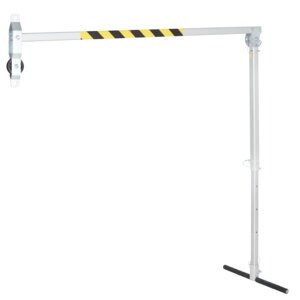
TM 1
Basic crane
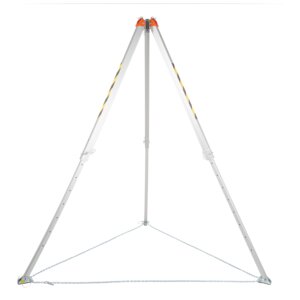
TM 14-SB
Safety tripod with edge crane option
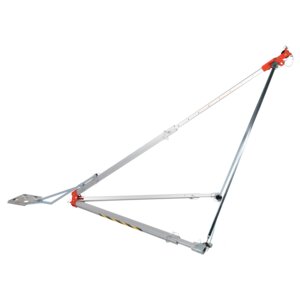
TM 14-ZSE
Edge crane with safety tripod option
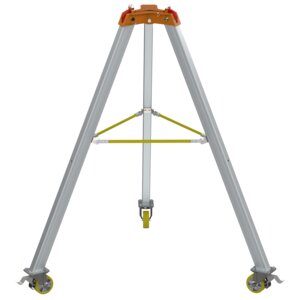
TM 6
Safety tripod on wheels
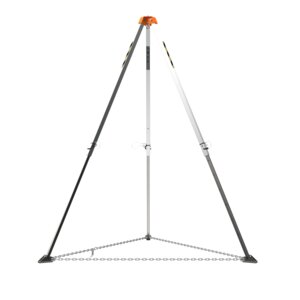
TM 7
Safety tripod

TM 15
Lighweight aluminium safety tripod
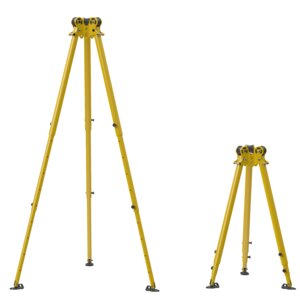
TM 15 MINI
Lightweight aluminum safety tripod
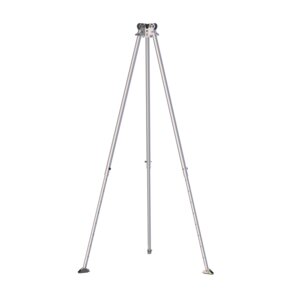
TM 15-G
Lighweight aluminium safety tripod
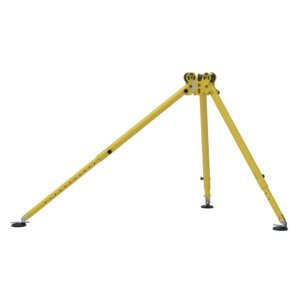
TM 16
Compact aluminum safety tripod on suction cups
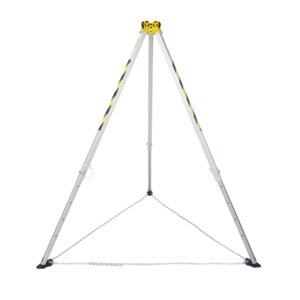
TM 9-N
Lightweight aluminum safety tripod
Tripods available at protekt.uk
PROTEKT is a Polish manufacturer of work safety equipment that provides users with high quality tripods, thanks to which work at depths is optimally efficient and safe. The personal tripods available on the protekt.uk website can be adjusted to the actual nature of the work, e.g., allowing for the simultaneous lifting and lowering of 1 to even 3 persons with a maximum load of up to 1000 kg. The range includes elements such as:
- aluminum tripods for persons and materials;
- compact safety tripods for persons;
- cranes: basic and corner cranes (3.5 t car load);
- tripods on wheels for easy transport of equipment.
Personal tripods - safety and reliability
All PROTEKT personal tripods have been designed and manufactured to meet strict safety standards. Some models can even be used in explosion hazard zones, which further increases the safety level of the equipment. Personal tripods can be complemented with additional accessories, such as self-braking devices or winches.
