






Permanent anchorage systemsVertical anchorage system

Vertical anchorage system

Performing work at heights frequently requires workers to attach themselves by rope to fixed anchorage points. This happens when performing construction or maintenance work on buildings, masts and chimneys. Many times such work involves climbing onto a roof or working on vertical surfaces. For this purpose, specialists can use complex vertical anchorage systems to protect themselves from falling. PROTEKT offers such professional equipment that ensures the safety of work at heights.
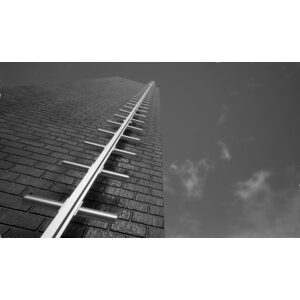
Structural Engineering Considerations for Vertical Anchorage System Installation


The successful implementation of a vertical anchorage system requires thorough structural analysis to ensure adequate load-bearing capacity and proper force distribution. Professional installation of any vertical anchorage system must account for the structural integrity of the mounting surface, potential dynamic loading conditions, and the cumulative effects of repeated use over the system's operational lifespan. Engineers must evaluate building materials, construction methods, and existing structural conditions when specifying appropriate vertical anchorage system configurations. Also see our permanent anchorage systems offerings.


Load path analysis is critical when designing vertical anchorage system installations, as forces generated during fall arrest events can exceed 12kN per user. The mounting structure must be capable of transferring these loads safely to the building's primary structural elements without compromising overall building integrity. Professional vertical anchorage system installations often require additional reinforcement or specialized mounting hardware to achieve the required safety factors.


Comprehensive Maintenance Protocols for System Longevity


Regular maintenance of vertical anchorage system components ensures continued reliability and compliance with safety regulations. Professional inspection protocols for vertical anchorage system installations should include detailed examination of all mechanical components, including rails, carriages, connection hardware, and mounting points. Environmental factors such as corrosion, wear, and weather exposure can gradually degrade vertical anchorage system performance if not properly monitored and addressed.


Documentation requirements for vertical anchorage system maintenance include detailed inspection records, component replacement schedules, and user training logs. This comprehensive approach to vertical anchorage system management helps ensure regulatory compliance while maximizing equipment lifespan and reliability.


Economic Benefits and Return on Investment Analysis


Implementing a professional vertical anchorage system provides significant long-term economic benefits that extend beyond immediate safety improvements. Organizations investing in quality vertical anchorage system solutions typically experience reduced insurance premiums, decreased accident-related costs, and improved productivity through enhanced worker confidence and efficiency. The initial investment in a vertical anchorage system is often recovered within the first few years through these combined benefits, making it a sound business decision for organizations with regular height-access requirements.


Vertical anchorage systems by PROTEKT


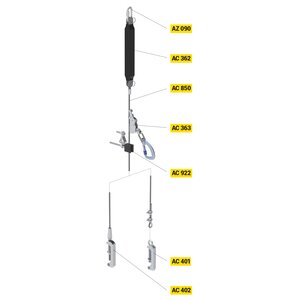
It's worth noting that in addition to the primary function of protection against falls, each vertical anchorage system is also designed to minimize the risk of injury. The safety of the worker performing work at heights is crucial. PROTEKT pays particular attention to employee protection. When it comes to vertical anchorage systems, in our offer you can find:


  • vertical anchorage systems with self-locking devices and rigid guides. They can be mounted to the sides of ladders and to the rungs. The system can be used by two people weighing up to 140 kg each;
  • ladder with an integrated anchorage system - a wide range of installation configurations are possible: with a simple entrance to the roof, with an entrance in the form of a bend, with the use of landings, or the installation of a door to protect against unauthorized persons.


Compliance with safety standards


Fixed vertical anchorage systems supplied by PROTEKT meet the stringent European safety standards EN:353-1:2014 and EN:363. The systems meet the requirements of European Parliament Regulation 2016/425 and have the appropriate certification, which proves the highest quality of their workmanship.