





















 Lifting beams
Lifting beams
Aluminium lifting beams are essential accessories designed to facilitate the safe and efficient transport of objects of various shapes and sizes. These versatile tools make it significantly easier to lift heavy and long items, providing an effective solution for various industries. In our offer, you will find a lightweight lifting beam capable of handling loads weighing up to 2,000 kg, alongside a heavier version designed for lifting capacities of up to 4,000 kg. To cater to our customers’ diverse needs, we also provide expandable one-piece or modular lifting beams that can be adjusted for different applications.
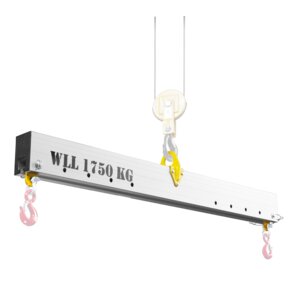
TRA
Light aluminium lifting beam
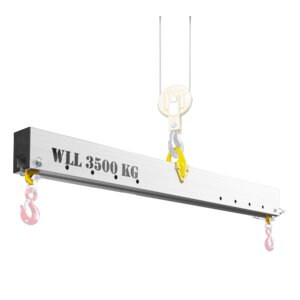
TRB
Heavy aluminium spreader beam (1250kg - 4000kg)

TRD
Modular aluminium cross-beam
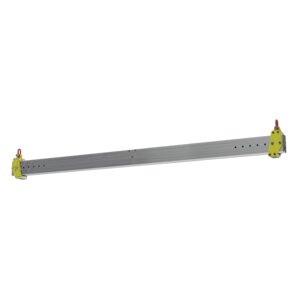
TRM
Mobile aluminium spreader beam
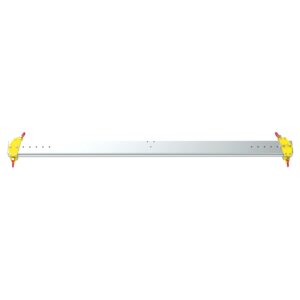
TRO
One-piece aluminium spreader beam
All aluminium lifting beams available in our store are characterised by their high-quality workmanship. The lifting beam and lower grapple are constructed from durable aluminium, while the central grapple consists of galvanised, powder-coated steel, ensuring resistance to corrosion and wear.
The design is completed with pins made of galvanised steel, which add to the overall strength and reliability of the lifting beam. It’s important to note that hooks and shackles, which are critical components of the lifting beams, are sold separately to allow for customisation based on specific requirements.
What Types of Aluminium Beams Do We Sell?
As a manufacturer of aluminium lifting beams, we take pride in using top-quality materials in our products. To meet our customers’ expectations, we offer lifting beams in various sizes, dimensions, types, and load-bearing capacities. Beyond our ready-made solutions, we can also provide custom lifting beams tailored to your specific needs.
However, please note that while we can accommodate many preferences, the total lifting beam length, spaces between holes, and load capacities must remain within specified limits to ensure safety and functionality.
Applications of Lifting Beams
Aluminium lifting beams have a wide array of applications across various sectors. They are commonly used in material handling, allowing for the efficient lifting and movement of heavy loads in industries such as manufacturing, logistics, and shipping.
In the construction sector, lifting beams play a critical role in lifting and positioning heavy materials and equipment, ensuring that projects are completed safely and efficiently.
Moreover, they are instrumental in lifting operations, providing stability and balance during the handling of heavy machinery and equipment, which is essential for maintaining safety standards.
Choosing the Right Lifting Beam
When selecting a lifting beam, it is essential to consider several factors. First, evaluate the weight and size of the load to be lifted, as this will determine the appropriate lifting beam capacity.
Next, assess the type of lifting operation and the required lifting points, as these factors influence the lifting beam’s design and functionality.
Additionally, consider the material and construction of the lifting beam, as well as the working load limit and safe working load. It may also be beneficial to examine the need for an adjustable centre to enhance versatility during lifting operations.
Expert Support and Custom Solutions
Check out our extensive offer and familiarise yourself with the available variants of aluminium lifting beams. Should you have any questions or require assistance, our dedicated team is ready to help resolve any doubts you may have. Our company is committed to providing specialist support at every stage of cooperation, ensuring you find the ideal lifting beam for your specific application. Don’t forget to explore our mobile platforms and lightweight portable gantries, which complement our lifting beam solutions for a comprehensive approach to your lifting needs.
Check out the mobile platforms and lightweight portable gantries available in our offer!
