









Steel tool lanyards
Working at height requires not only the right physical preparation, but also the right protection against falling. Elements like helmets or harnesses are basic personal protective equipment. However, when preparing for the work it's also crucial to remember about quality accessories that make the work easier by facilitating access to tools. Steel tool lanyards play such a role, additionally securing tools during assembly work.
Steel tool lanyards
PROTEKT, a Polish manufacturer of work safety equipment, provides users with steel tool lanyards that protect light hand tools weighing up to 2 kg (all kinds of spanners and small hammers) against falling. The products available in the protekt.uk store include:
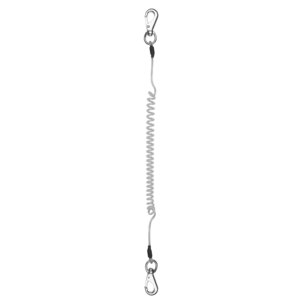
- A steel tool lanyard ended with snap hooks on both sides, 63 cm long with a maximum extension of 150 cm. Available in 5 variants with different opening diameters of the steel snap hook from 7 mm to 14 mm;
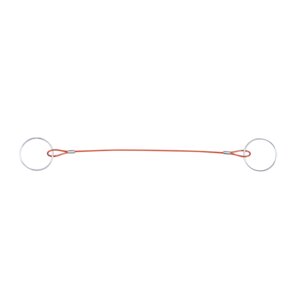
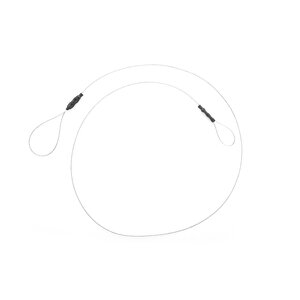
- A steel tool lanyard with fixed length of 115 cm, ending with loops on both sides;
- Additional elements such as the lightweight 30 cm long galvanised steel cable clip with plastic coating.
The steel tool lanyards come with a special jacket which additionally protects the worker from injury in case of a sudden fall of the attached tool.
Workmanship and durability
Proper use of steel tool lanyards fully prevents light tools from falling, which additionally protects all people in the immediate vicinity of the worker. The maximum cable load of 2 kg, achieved thanks to the use of galvanised steel, makes the product suitable for attaching most hand tools. This feature is extremely important when working at height. Easy two-way installation enables convenient use of the equipment.
Benefits of Using Steel Tool Lanyards in Work-at-Height Settings
Steel tool lanyards serve as an essential accessory for workers operating at heights, providing a robust solution to the risks posed by dropped tools. Tools accidentally dropped from elevated positions can cause injuries, damage property, and halt work progress. Using steel tool lanyards significantly mitigates these risks by securely attaching tools, ensuring they remain within the worker’s control while allowing freedom of movement.
This preventative measure is especially important during assembly, maintenance, or inspection work where frequent tool use and repositioning are required. Steel tool lanyards enable workers to focus on their tasks with confidence, knowing that their tools are safely secured against falls. For lighter tools or wrist tethers, see textile tool lanyards.
Key Features and Construction of PROTEKT Steel Tool Lanyards
PROTEKT’s steel tool lanyards combine durability and flexibility to meet the real demands of height work. Made from galvanised steel cables, these lanyards provide excellent resistance to wear, corrosion, and mechanical stress, extending the service life of the equipment even in challenging environments.
The availability of multiple variants with different snap hook sizes ranging from 7 mm to 14 mm allows for easy attachment to a wide variety of tools and harnesses. The special protective jacket around the cable adds an extra layer of safety by preventing cable injuries to workers and reducing damage to tools or surrounding surfaces. For secure tool and tether connections, match with compatible carabiners.
Easy installation from either end makes these lanyards practical and flexible in use. Whether length-adjustable or fixed, they provide a reliable tether system that complies with safety standards and supports the overall fall protection strategy.
Enhancing Workplace Safety and Efficiency
Incorporating steel tool lanyards into fall protection programs demonstrates a company’s commitment to comprehensive safety management. They protect not only the worker but also colleagues and bystanders below work areas, reducing liability and potential downtime caused by tool-related incidents.
Training in proper use, combined with robust equipment like PROTEKT’s steel tool lanyards, fosters a proactive safety culture. This approach ensures regulatory compliance and promotes smooth, uninterrupted operations where risks of dropped tools are systematically minimized.