


 Tree climbing spikes
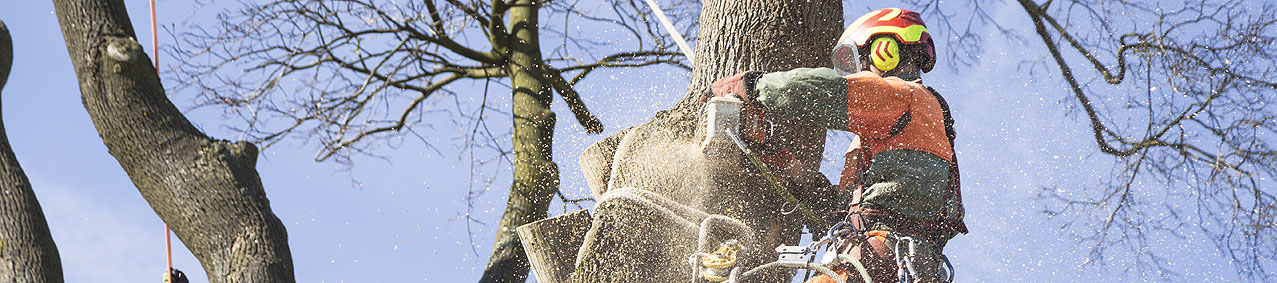
Tree climbing spikes
Tree Climbing Spikes: Essential Equipment for Arborists
Tree climbing spikes can undoubtedly be listed among the most important pieces of equipment that allow arborists to work safely. These products significantly facilitate climbing trees that are hard to access. Protekt offers both aluminium and steel models.


DR 1
Steel tree climbing spikes

DR 2
Steel tree climbing spikes with adjustable height

DR 2A
Aluminium tree climbing spikes with adjustable height

DR 3
Steel tree climbing spikes with adjustable height

DR 3A
Aluminium tree climbing spikes with adjustable height

DR 4
Steel tree climbing spikes

Iron Spikes
Steel tree climbing spikes

DR 100 1
Interchangeable top textile straps

DR 100 2
Interchangeable bottom textile straps

DR 100 3
Removable pads covering the calf

DR 100 4
Spike protection guards

SP 051
Short Spike - set

SP 052
Long Spike - set

SP 053
Short Spike - set

SP 054
Long Spike - set

SP 060
Lower strap assembly

SP 061
Long Strap

SP 062
Lower fastening strap, long

SP 063
Lower fastening strap, short

SP 064
Attachment ring

SP 065
Spike guards

SP 070
Stiffened calf padding

SP 071
Padding, left

SP 072
Padding, right

SP 073
Padding reinforcement
Explore Our Range of Steel and Aluminium Tree Climbing Spikes
It’s worth keeping in mind that this type of accessory is frequently used not only by arborists, but also firemen and loggers. For instance, firemen may use climbing spikes when going through trees during rescue operations, while loggers may use them to ascend trees for cutting. The versatility of climbing spikes extends their range of applications beyond traditional tree work, making them an essential tool in various high-altitude and challenging environments.
Calf cushions are extremely noteworthy elements of steel and aluminium tree climbing spikes. Once they’re attached, they adhere to the arborist’s leg and significantly improve comfort. We strive to ensure that our product parts are made of a combination of felt and natural leather which don’t irritate the skin. Additionally, the calf cushion is adjustable, therefore, it can be tailored to individual users' preferences.
Why Choose Protekt Climbing Spikes?
The design of Protekt climbing spikes takes into consideration ergonomic factors - this way we promote user efficiency and comfort. Our climbing spikes are created to provide maximum stability and grip on tree bark, which is crucial for maintaining safety during climbs. The spikes’ sharpness and design help secure penetration without causing excessive damage to the tree, preserving its health while allowing professionals to carry out their work effectively.
Specialist Spare Parts for Tree Climbing Spikes
We do our best to ensure that the offered product range includes a quality collection of spare parts for steel and aluminum tree climbing spikes. Our customers can purchase:
- lower and upper textile straps,
- spike protection covers,
- spare calf cushions,
- connecting straps,
- attachment rings, and
- sleeves.
Climbing spikes are one of the most important elements available in both short and long variants. With their use, workers can attach themselves to the tree and take steps comfortably and securely.
Unsurprisingly, these components need to be replaced the most frequently as they wear out relatively fast. Each aluminium and steel tree climbing spike offered by Protekt meets the PN-E-55000 standard. This means that the climbing spikes adhere to stringent safety and quality requirements, providing peace of mind to users.
Maintaining Your Tree Climbing Spikes
To further extend the longevity of your climbing equipment, you need to remember to do regular maintenance and timely replacement of worn parts. This not only keeps the optimal performance but also contributes to overall safety.
We recommend inspecting your climbing spikes before each use and replacing any parts that show signs of wear or damage. Regular upkeep helps in preventing accidents. It also gives you the guarantee that your equipment performs at its best.
Additional Tree Climbing Gear and Accessories
Check out our range of equipment for arborists and benefit from available safety harnesses, tool straps, lifting and lowering devices, or arborist’s trolleys. Thanks to our comprehensive selection, you have everything you need for efficient and safe tree climbing operations.
For example, our lifting devices can assist in hoisting tools and equipment up the tree, while our arborist’s trolleys offer convenient transport for your gear.
Contact us in case of any questions. Our knowledgeable team is here to assist you in choosing the right products and providing support for any inquiries.
Choosing between steel and aluminium models
Every model in the range solves a different balance of weight, durability and fit:
- Steel models, such as the DR 1 and DR 4, are durable and cheaper options.
- Aluminium versions, such as the DR 2A and DR 3A, cut weight for climbers who spend whole days aloft.
- Adjustable-height models let you match the shank length to your leg and boot size for a stable, comfortable fit.
- Iron Spikes is a steel design built for heavy daily use.
Tree climbing spikes or tree climbing spurs
Spikes, spurs, gaffs and climbers all describe the same tool, and the terms travel between markets. British and Irish arborists usually refer to climbing spikes, whereas spurs dominate North American catalogues. When ordering, you should always look at the gaff length, the shank material and the intended use, not the name itself.
If a supplier lists tree climbing spurs, you are looking at the same category of equipment described on this page. Short gaffs suit thin-barked species and pole work, and long gaffs reach all the way through mature trees into solid wood.
When to climb on spikes
The rule of thumb is that gaffs puncture the cambium, so professional arborists reserve them for removals, dead trees, and storm-damaged stems where the wound has no long-term consequences. For pruning trees, rope-based access techniques protect the bark and the tree’s health.
On a straight stem that comes down in sections, nothing beats spikes for speed. The climber ascends, works and repositions in fluid motions, with the positioning lanyard providing support at every stage.
Fitting and adjustment
Set the shank length so the upper strap sits below the knee without restricting it, then tighten both straps evenly. The calf cushion should take the pressure across its full surface, with the stirrup seated firmly under the boot. A correctly fitted pair feels stable instantly, with no rotation around the calf under load.
Pair your spikes with a certified arborist harness and a positioning lanyard to complete the climbing system. If the spikes twist while climbing, adjust the strap tension before you continue.
Contact us in case of any questions. Our knowledgeable team is here to assist you in choosing the right products and providing support for any inquiries.
FAQ
1. What is the difference between tree climbing spikes and spurs?
There is none. Spikes, spurs, gaffs and climbers are regional names for the same equipment. The practical differences lie in gaff length, shank material and whether the model is fixed or height-adjustable.
2.Can you use tree climbing spikes on a living tree?
Best practice limits spike climbing to removals, deadwood, and rescue situations because gaffs puncture the cambium, leaving wounds. For pruning trees that will remain standing, arborists use rope access techniques instead.
3. How long do tree climbing spikes last?
The frames last many years with normal care. Gaffs, straps, and pads are consumables that wear out faster and should be replaced as soon as they show signs of damage. Inspect the complete assembly before every climb.
