


















 Pole climbers

Pole climbers
Work at heights performed by teams of energy and telecommunication services requires appropriate protection against falling. The so-called pole climbers are one of the main pieces of equipment that ensures safety during such activities. Top quality materials are necessary to guarantee appropriate protection of electricians. Safe pole climbers need to comply with the standards.
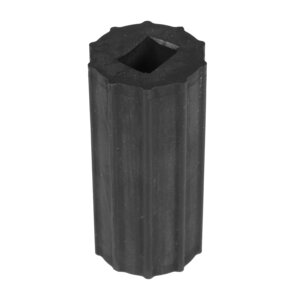
SP 011
Small Roller
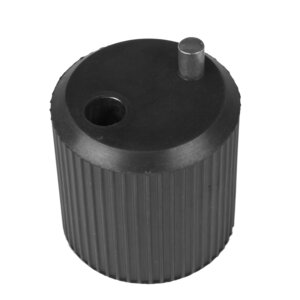
SP 012
Large Roller
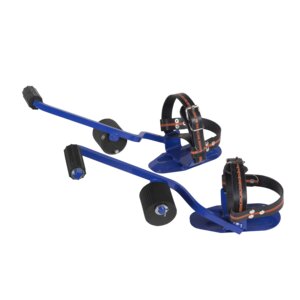
SP 203
B10 pole climbers for reinforced-concrete poles
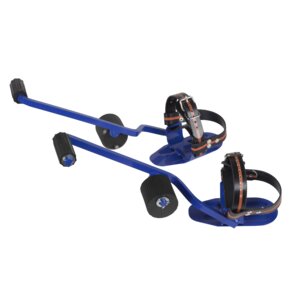
SP 204
B20 pole climbers for reinforced-concrete poles
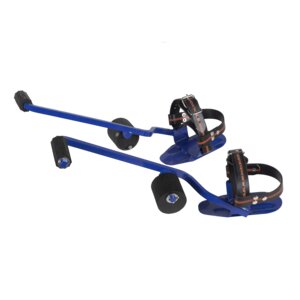
SP 205
B40 pole climbers for reinforced-concrete poles
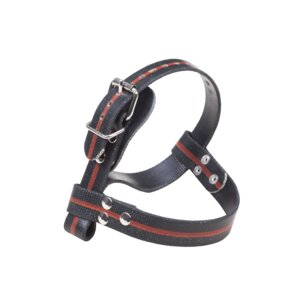
SP 021
Strap for pole climbers
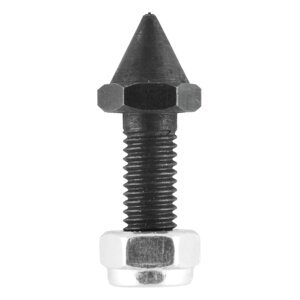
SP 030
Spike, long
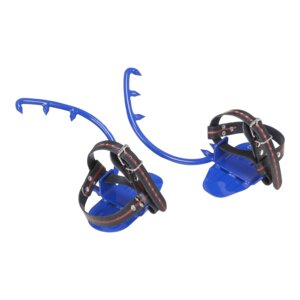
SP 101
D-20 pole climbers for wooden poles
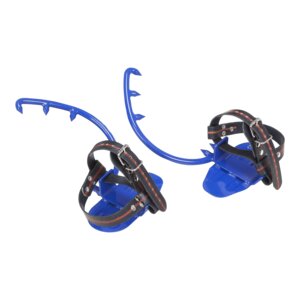
SP 102
D-20 pole climbers for wooden poles
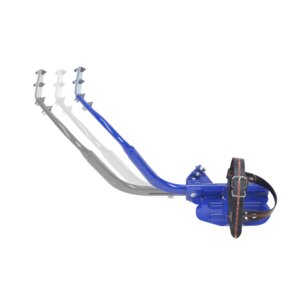
SP 103
D type pole climbers for wooden poles with adjustment
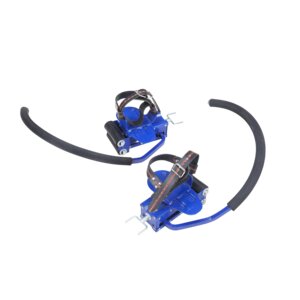
SP 401
Pole climbers for spun poles
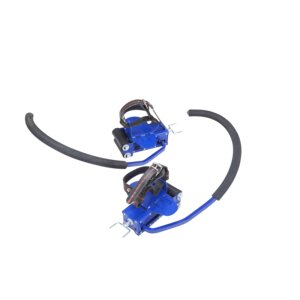
SP 402
Pole climbers for spun poles
Types of pole climbers offered by Protekt
Pole climbers need to be adapted to the size and type of pole where specialised work at height is carried out. Protekt offers a range of pole climbers specifically tailored to the needs of professionals. Each type is designed to accommodate different pole sizes and materials, ensuring versatility and safety in various work environments:
- Pole climbers for wooden poles. They're made from lightweight yet durable aluminum; these climbers include sharp, reliable spikes for a secure grip. A pair weighs approximately 3 kg, making them easy to transport and use.
- Adjustable pole climbers for wooden poles. Equipped with a smooth adjustment mechanism, these climbers are designed to fit wooden poles with diameters ranging from 130 to 300 mm, all of which are designed for exceptional flexibility and ease of use.
- Pole climbers for reinforced concrete poles are constructed from robust steel so that climbers are equipped with high-quality rubber rollers. These climbers provide stability and grip on various reinforced concrete poles. A pair weighs approximately 5 kg.
- Pole climbers for spun poles. We designed them specifically for spun poles, these steel climbers are built to accommodate poles of different diameters. They weigh around 8 kg per pair and are engineered for heavy-duty use in demanding environments.
All Protekt pole climbers are powder-coated to protect against corrosion, ensuring long-term durability even in challenging outdoor conditions.
Pole climbing equipment
Protekt offers support when it comes to extra equipment that naturally wears out during the use of the poles. The support includes:
- pole straps made of durable fabric covered with waterproof coating, designed for all types of poles;
- small and large rollers made of high-quality rubber, can be used when working on reinforced concrete poles and spun poles;
- long spikes which are parts of adjustable pole climbers for wooden poles type B.
Check out also PROTEKT's spare parts for pole climbers.
Our commitment to safety and quality
At PROTEKT, we're committed to delivering products that meet the highest safety standards. Each pole climber undergoes rigorous testing because we must ensure it's reliable and can perform in real-world conditions. The use of premium materials, along with our craftsmanship, guarantees that professionals can rely on PROTEKT pole climbers for their most demanding tasks.
We prioritize safety, durability, and innovation every day. That's why PROTEKT continues to set the standard for height safety equipment, offering tools that empower workers to perform their duties with confidence and ease.
