















 Retractable type and guided type fall arresters
Retractable type and guided type fall arresters
Safety is one of the key factors when working at heights. An employee hanging on the rope or in the harness is exposed to the risk of falling from a dozen or more meters. In order to guarantee adequate protection and eliminate the risk of accidents resulting from carelessness or equipment failure, it’s recommended to use special retractable type and guided type fall arresters.


AC 011 BLOCMAX
Guided type fall arrester

LINOSTOP II
Guided type fall arrester

LINOSTOP II ED
Guided - type fall arrester

CR 255VG
Vertical self-locking device approved for use in potentially explosion-hazard areas.
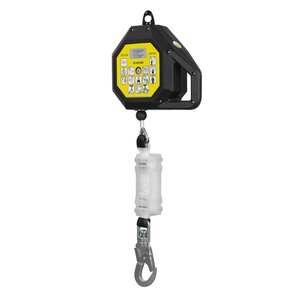
CR 260HV
Self-braking device for vertical and horizontal operation with textile shock absorber
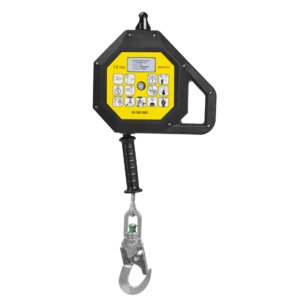
CR260 V
Self-locking device for vertical work

DWR 040S
Double webbing retractor claiming the possibility to go above the device
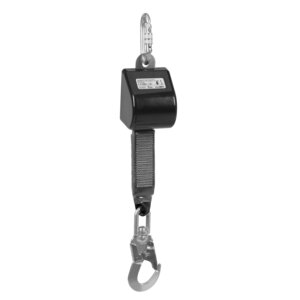
ROLEX 4
Fall arrester for vertical work
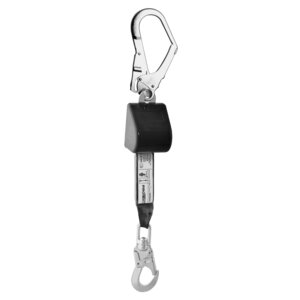
ROLEX 5
Fall arrester for vertical work
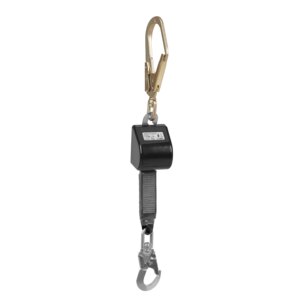
ROLEX 6
Fall arrester for vertical work
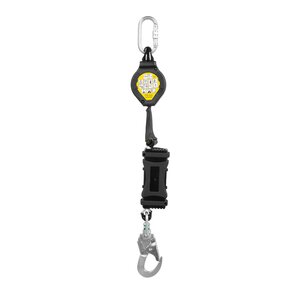
WR 040HV
Self-braking device for use vertically and horizontally in situations where a fall over the edge may occur.

WR 040MEWP
Retractable type fall arrester for on basket platforms (MEWPs)
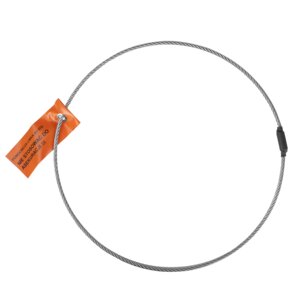
AY 070
Steel auxiliary rope for cooperation with self-locking devices.
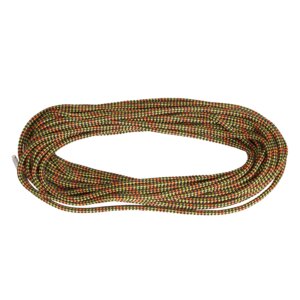
DT 760
An auxiliary rope designed for use with self-braking devices.
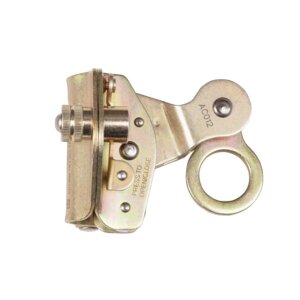
AC 012
Guided type fall arrester
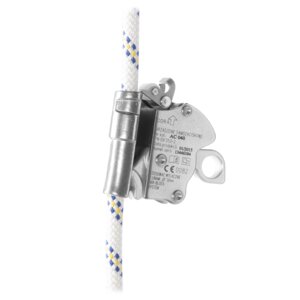
AC 040 SKR-BLOCK
Guided type fall arrester
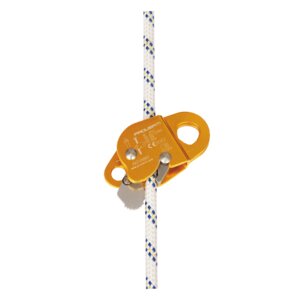
AC 080
Guided type fall arrester
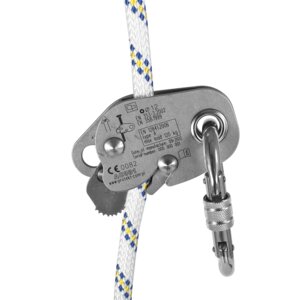
AC 081
Guided type fall arrester
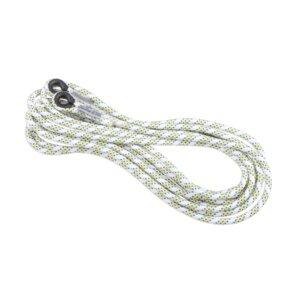
AC 100
Work rope
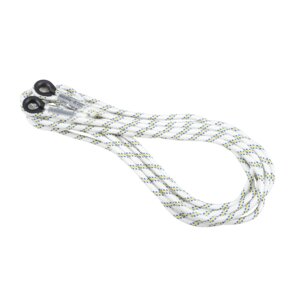
AC 200
Work rop
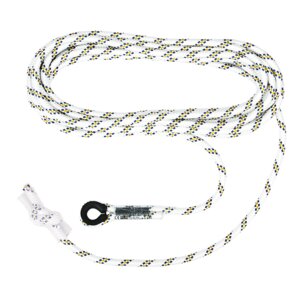
AC 300
Work rope
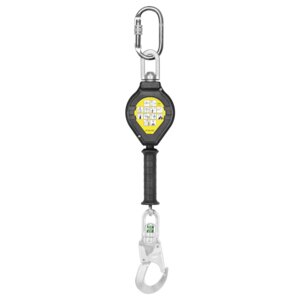
CR 030
Fall arrester for vertical work
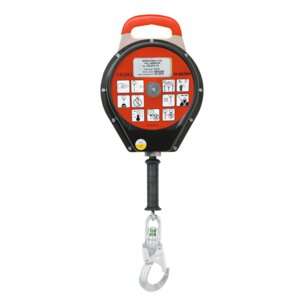
CR 210
Steel fall arrest device for vertical work
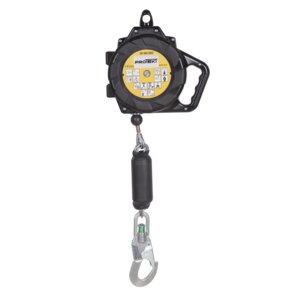
CR 250HV
Self-locking device for vertical and horizontal operation
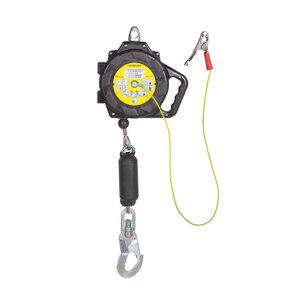
CR 250HVG
Self-locking device for vertical and horizontal operation approved for use in potentially explosion-hazard zones
Operation of such equipment resembles the functionality of car safety belts. If a worker accidentally slips off the scaffolding, the lock prevents him from falling to the ground and holds him in a hanging position. The offer of the Protekt company includes a wide range of models designed for working both vertically and horizontally. We recommend products made of galvanized steel, with a static strength of 12 kN and various line lengths. Our range includes models with two mechanisms and textile tapes in individual housings.
Ropes and accessories for retractable type and guided type fall arresters
Ropes are an important part of self-locking or self-clamping equipment. They should be appropriately durable and tailored to technical parameters. We recommend special ropes made of galvanized steel that are perfect for roof work. Some of the self-clamping devices are equipped with a 5m polyester rope with a 14 mm diameter.
Our range of fall arrester accessories is complemented with housings made of durable plastics. Safety products designed for work at heights ought to be in line with extremely stringent requirements. All components offered by Protekt meet the necessary standards.
