
















 Anchor points and devices
Anchor points and devices
Ensuring the safety of workers at heights is a critical priority in construction, maintenance, and industrial settings. Proper anchorage points and anchor devices form the foundation of an effective fall protection system. Secure attachment points can prevent accidents. At PROTEKT, we offer a comprehensive selection of high-quality anchor points designed to meet various structural and operational needs. Securing a ladder, working on a trapezoidal metal sheet, or setting up a horizontal lifeline? Whatever you need, our solutions guarantee durability, compliance, and ease of installation.

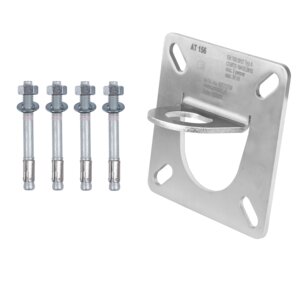
AT 156
The set includes 4 HILTI galvanized segment anchors
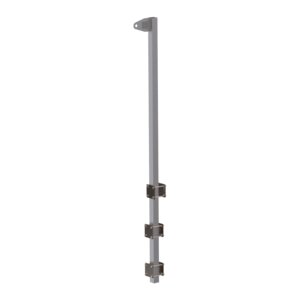
AT 165A
Anchor point for ladders
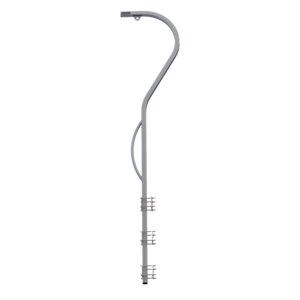
AT 165B
Anchor point for ladders
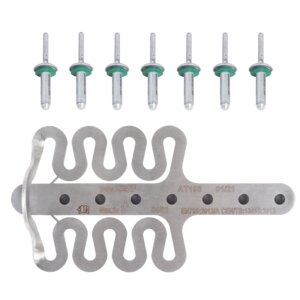
AT 198 001
Anchorage point with shock absorber for trapezoidal metal sheet

HL913 020
Sleeve for mounting anchor points
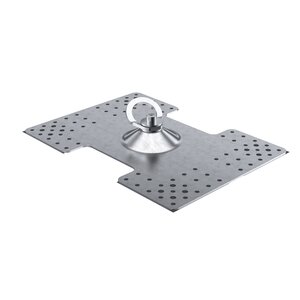
HLH 700
Assembly kit for sheet thicker than 0,63 mm

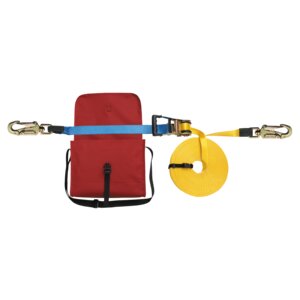
AE 320
Safety horizontal webbing
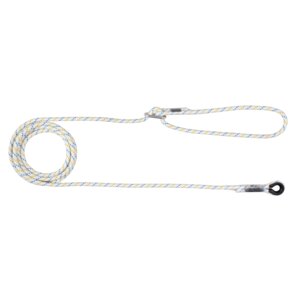
LP 105
Horizontal anchoring line without snap fasteners
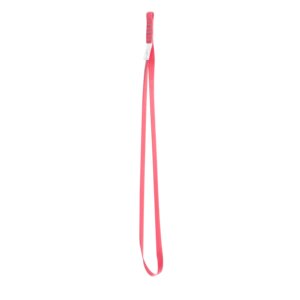
AZ 930
Webbing sling
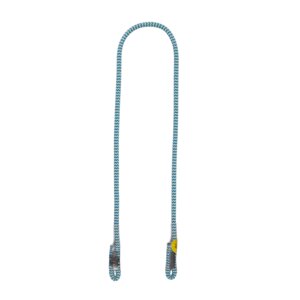
TU 801
Rope for tying the prusik
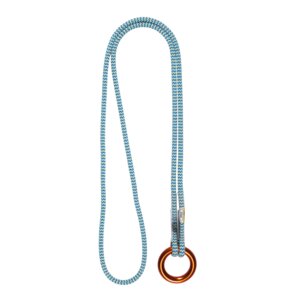
TU 802
Rope for tying the prusik
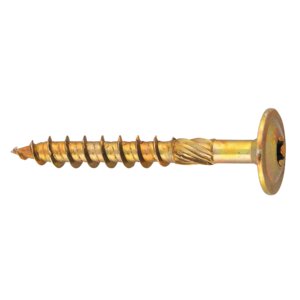
8x45
Wood screw
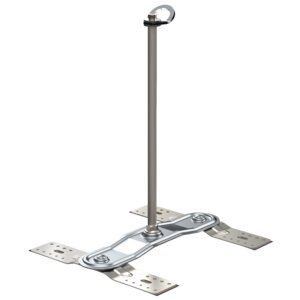
HL 700
Safety post
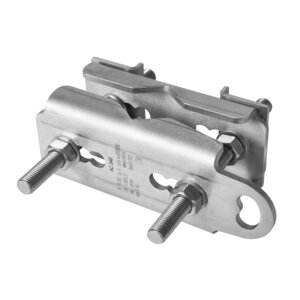
AC 340
Hitching device
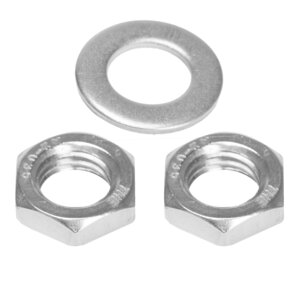
AT 024 D
Metal surface mounting kit
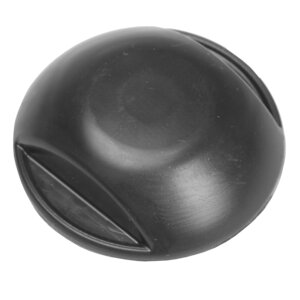
AT 024 F
Cap
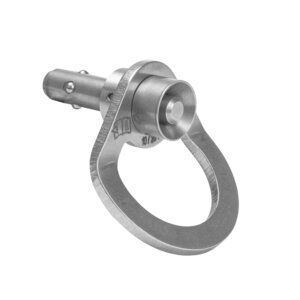
AT024-A
Attachment lug
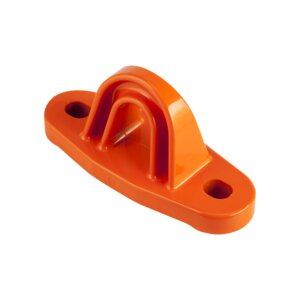
AT 150
Anchoring point
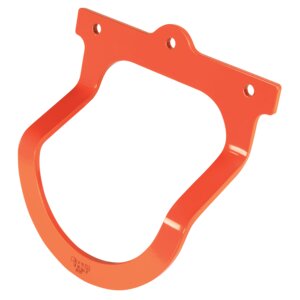
AT 151
Anchoring point
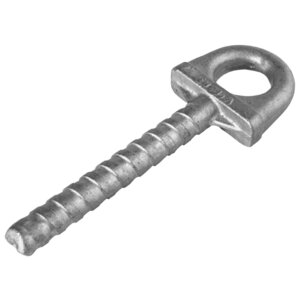
AT 152
Anchoring point
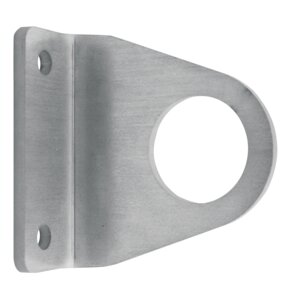
AT 153
Anchoring point
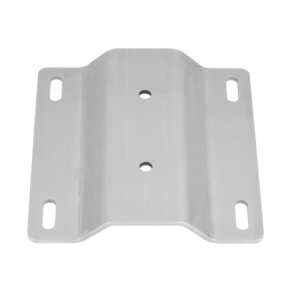
AT 153 A
Adapter for AT153 anchor point
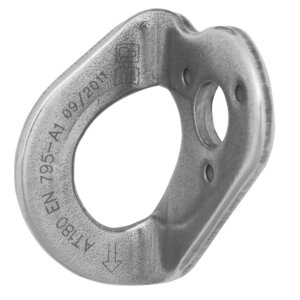
AT 180
Anchoring point
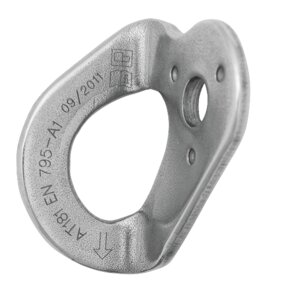
AT 181
Anchoring point
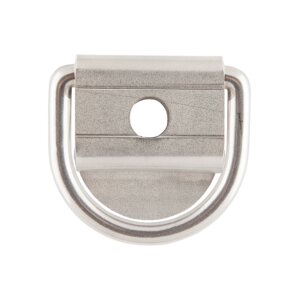
AT 183
Anchoring point
Versatile anchor points for every application
Our range of anchorage point devices and accessories includes products tailored for diverse work environments, such as:
- AT 156 – A robust anchorage set that includes four HILTI galvanized segment anchors, ensuring maximum stability.
- AT 165B – If enhanced grip and security are what you're looking for, this specially designed anchor point for ladders will be a perfect choice.
- AT 198 001 – It's an anchorage point equipped with a shock absorber, perfect for use on trapezoidal metal sheets to mitigate impact forces.
- HL913 020 – A high-strength sleeve that simplifies the mounting of anchor points, ensuring a secure installation.
- HLH 700 – Need a reliable assembly kit for sheet surfaces thicker than 0.63 mm? HLH 700 is designed for long-lasting performance.
Advanced horizontal safety solutions
For workers who require mobility while remaining securely anchored, PROTEKT provides advanced anchor devices and horizontal safety solutions, such as AE 320 (a durable and flexible horizontal webbing system designed for secure positioning along a worksite) or LP 105 – a horizontal anchoring line without snap fasteners. PROTEKT's quality, paired with a smooth and adaptable safety solution, makes it a perfect choice for professionals.
Anchorage points and more
Additionally, check out our other anchor devices and accessories to ensure a complete and efficient anchorage system. PROTEKT offers a wide array of accessories and installation tools: durable webbing slings that enhance safety and versatility or high-strength ropes for tying Prusik knots, commonly used in climbing and safety applications. Heavy-duty wood screws designed to provide secure fastening in wooden structures and reliable hitching devices are also worth attention. Choose PROTEKT for innovative, durable, and safety-certified anchorage solutions — because when it comes to working at heights, there’s no room for compromise.
