





Climbing

Regardless of the form of mountaineering activity, from work at height to professional sports, specialist outfits should be equipped with appropriate accessories. Safety and durability of materials, resistance to damage or abrasion and low weight of the user's equipment are crucial for climbing equipment. Such products are offered by PROTEKT, a Polish manufacturer of personal safety equipment and systems.
Mountaineering accessories from PROTEKT


On the protekt.uk website you can find a wide range of key mountaineering accessories, such as:


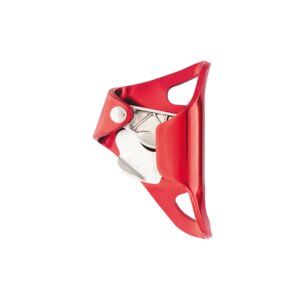
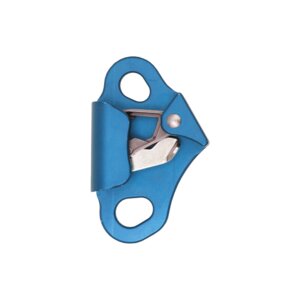
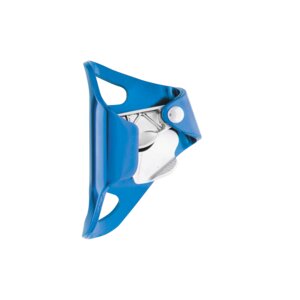
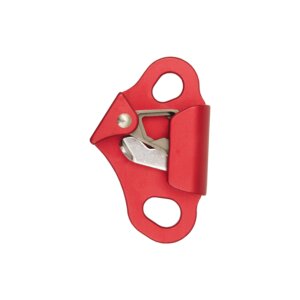
  • chest ascenders without a handle for rope climbing or belaying with a locking mechanism. Very light - only 220g or even 135g in the case of the ultra light version. Can be used with ropes from 8 to 13 mm diameter. Available in two colors;
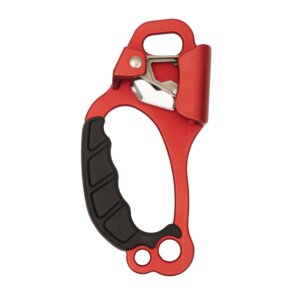
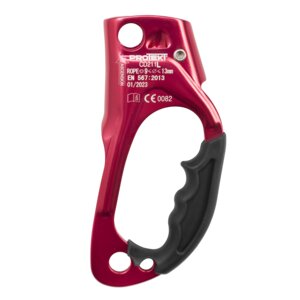
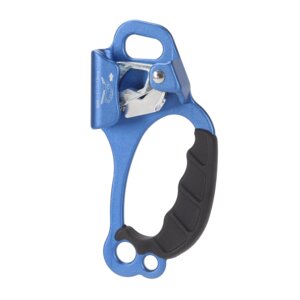
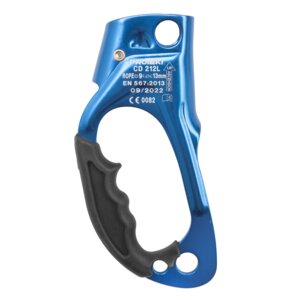
  • chest ascenders for ascending the rope vertically, with a locking mechanism. Weight 220g and 205g (ultra light). Available for both right and left-handed people;
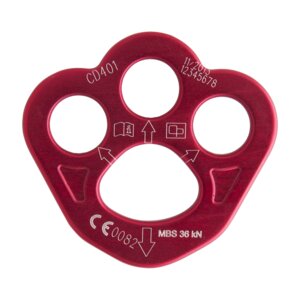
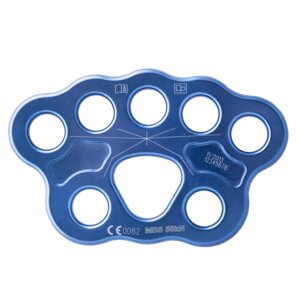
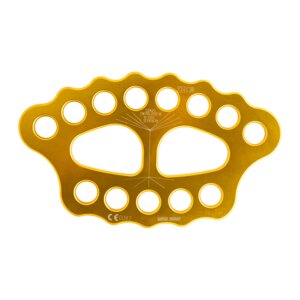
  • position plates - various models with snap slot numbers from 2 to 13, for a wide range of applications from exit and evacuation to multi-level positioning;
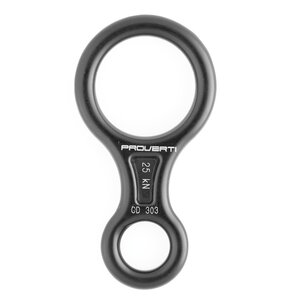
  • rings - available in two diameters: 28mm and 46mm with a minimum durability of 25kN;
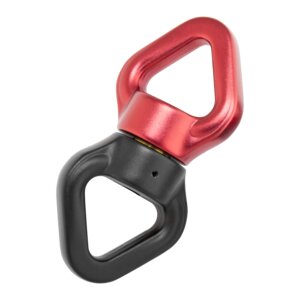
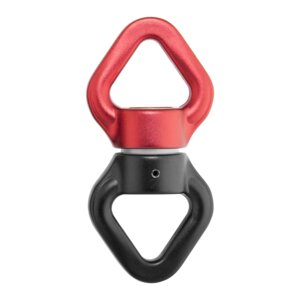
  • swivels - swivel accessories available in two weight versions.


Static Systems vs. Dynamic Climbing


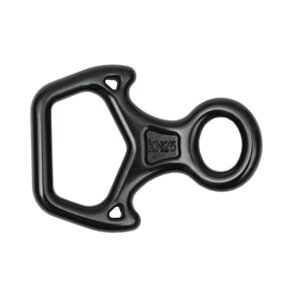
The world of professional work at height operates on a different set of principles than recreational rock climbing, and the equipment reflects this. The core distinction lies in the use of static systems, which are designed for work positioning and controlled movement, as opposed to the dynamic systems used in sport climbing. Recreational climbing uses dynamic (stretchy) ropes designed to absorb the energy of a long fall. In contrast, professionals use low-stretch static work ropes because their goal is to maintain a stable position to perform a task. Our climbing accessories, such as ascenders and descenders, are specifically engineered to function flawlessly on these static ropes. They are designed for high-frequency use, durability, and predictability, allowing a technician to ascend, descend, and position themselves with millimeter precision. This focus on stability and control is paramount for tasks in industrial rope access, arboriculture, and rescue, where the objective is not to catch a fall, but to create a secure and efficient work platform in a vertical environment.


Advanced Rigging Concepts for Safety and Efficiency


Our climbing accessories are more than just individual pieces of hardware; they are the building blocks for creating sophisticated and safe rigging systems. Specialized tools like position plates and pulleys allow technicians to manage complex forces and create mechanical advantage, enhancing both safety and efficiency. A position plate, for example, is a critical component for organizing a complex anchor. Instead of dangerously clustering multiple carabiners onto a single anchor point, which can lead to side-loading and system failure, a position plate provides multiple, separate holes. This allows for clean rigging, proper load distribution, and easy inspection of the system. Pulleys, another key accessory, can be combined to create mechanical advantage systems. A simple 3:1 or 5:1 pulley system allows a single rescuer to lift a person or a heavy piece of equipment with a fraction of the effort, which can be life-saving in a rescue scenario or a major efficiency gain in an industrial setting. Understanding how to use these accessories to build advanced systems is the hallmark of a true professional, and our equipment provides the reliable components needed to do so safely.


The Importance of Material Science and Load Ratings


The safety of any vertical system ultimately depends on the strength and reliability of its components. Every one of our climbing accessories is crafted from high-quality materials and clearly marked with its strength rating, typically in kilonewtons (kN), to ensure it is used correctly. Our hardware is crafted from lightweight yet incredibly strong aluminum alloys, providing the perfect balance of low weight to reduce worker fatigue and immense strength to provide a crucial safety margin. A rating of 25 kN, common for our carabiners and rings, is equivalent to being able to hold approximately 2,500 kg of static force. This immense strength is necessary to handle the dynamic forces that can be generated in the event of a shock load, even in a static system. The use of aluminum also provides excellent corrosion resistance, ensuring a long service life in various weather conditions. This obsessive focus on material science and clear, verifiable strength ratings gives professionals the absolute confidence they need to trust their lives to their equipment in the most demanding vertical environments imaginable.


The most important aspect: safety


All climbing accessories are made of lightweight and durable aluminum, in some cases combined with robust rubber. For example, the static strength of position plates, depending on the individual models, ranges from min. 25kN to 50kN. The kits come with detailed instructions, making it easy to use them safely.